How to Sell your Home Privately In Queensland
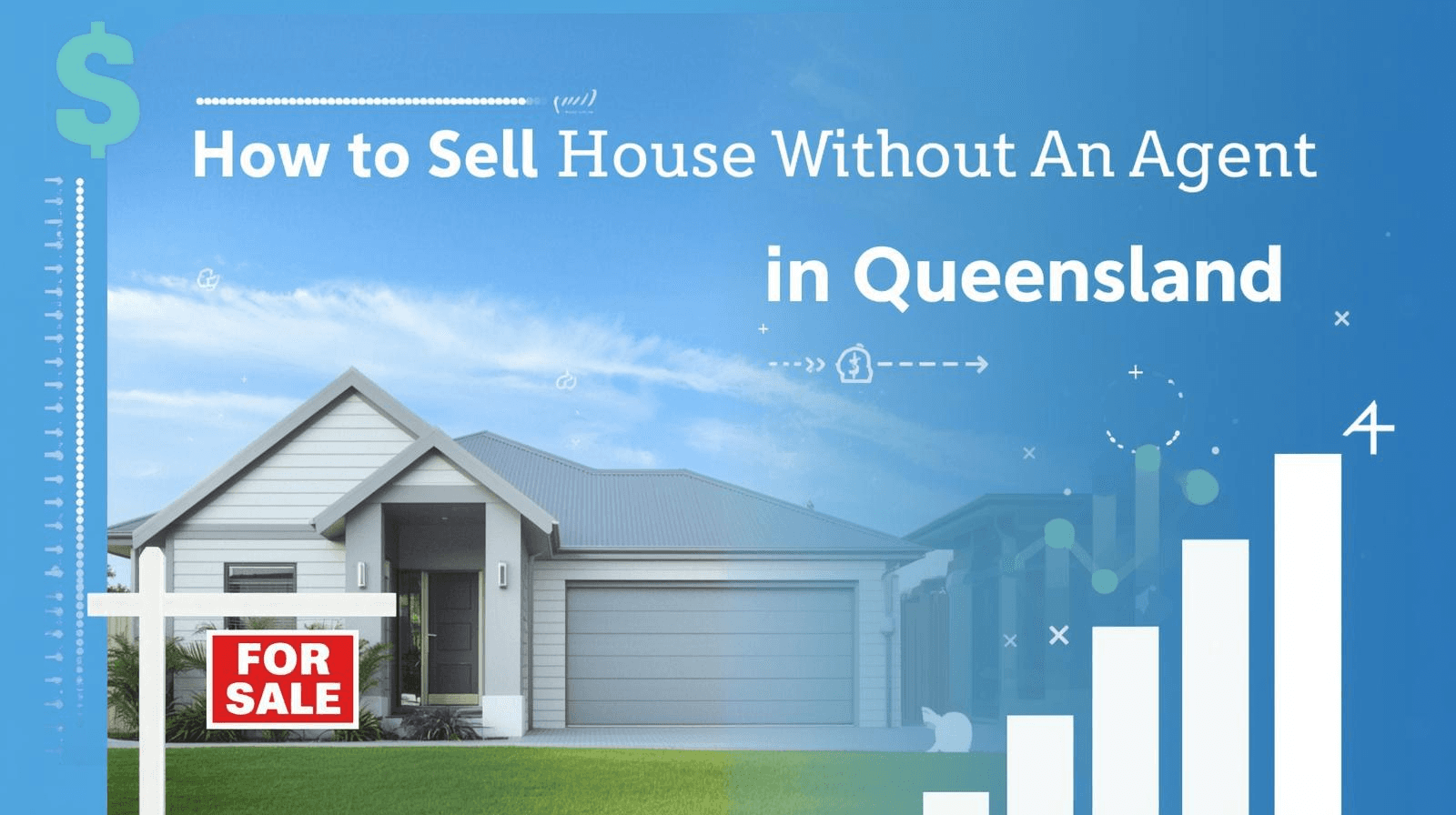
How to Sell our Home Privately In Queensland (2026 Guide)
See Complete Queensland Private Sale Guide
Last Updated: January 2026 | Reading Time: 12 minutes
Quick Answer: Yes, you can legally sell your house without a real estate agent in Queensland. This process, known as For Sale By Owner (FSBO) or private sale, can save you $15,000-$30,000 in agent commissions. You'll need to handle marketing, legal documentation, inspections, and negotiations yourself while meeting Queensland's specific legal requirements.
Is Selling Without an Agent Legal in Queensland?
Yes, it is completely legal to sell your property without a real estate agent in Queensland. There is no legal requirement under Queensland property law to use a licensed real estate agent when selling your home. The Queensland Office of Fair Trading confirms that homeowners have the right to conduct private property sales, also known as For Sale By Owner (FSBO) transactions.
When you sell your house privately in Queensland, you take on the responsibilities that a real estate agent would typically handle. This includes pricing your property, creating marketing materials, conducting viewings, negotiating with buyers, and managing the legal paperwork through to settlement. While this requires more time and effort than using an agent, thousands of Queensland homeowners successfully complete private sales each year.
The key difference between selling with an agent and selling privately is that you maintain full control over the entire process. You decide on the asking price, choose how to market the property, set inspection times that suit your schedule, and negotiate directly with potential buyers without a middleman filtering communications.
See 8 steps to sell without agent in QLD
How Much Money Can You Save Selling Privately?
The average Queensland homeowner saves between $25,000 and $59,000 by selling without an agent (Airlister Average $42,000). Real estate agent commissions in Queensland typically range from 2% to 3% of the sale price, plus additional marketing and advertising fees.
For a home valued at $750,000 (close to the Brisbane median house price in 2026), here's what you would typically pay with an agent:
Agent commission at 2.5%: $18,750
Marketing package (premium listing, photography, signage): $2,000-$5,000
Total cost with agent: $20,750-$23,750 + GST + Realestate.com.au Listing ( ~$4500)
When selling privately, your costs are significantly lower:
Property listing on realestate.com.au and Domain: $600-$1,500
Professional photography: Optional $300-$600
For sale sign and marketing materials: $200-$500
Total private sale costs: $699 - $1800
Plus Solicitor or conveyancer fees: $1,200-$2,000 (present regardless)
These savings represent real money that stays in your pocket rather than going to agent fees. For many Queensland families, this amount could cover moving costs, furniture for a new home, or contribute toward a larger deposit on their next property.
Required Certificates and Legal Documents for Queensland Property Sales
Queensland law requires specific safety certificates and legal documents before you can sell your property. Understanding and obtaining these documents early in the process will prevent delays at settlement and ensure you meet your legal obligations as a seller.
Mandatory Safety Certificates
Pool Safety Certificate: If your property has a swimming pool, spa, or similar water feature, you must have a current pool safety certificate issued by a licensed pool safety inspector. This certificate confirms that your pool barrier meets Queensland's strict pool safety standards. The inspection typically costs $150-$250 and the certificate is valid for one or two years depending on when it was issued. You cannot legally settle a property sale in Queensland without a valid pool safety certificate if a pool is present.
Electrical Safety Certificate: Every property sold in Queensland must have an electrical safety certificate, also known as a Form 22. This certificate confirms that the electrical installation in your home meets minimum safety standards. A licensed electrician must conduct the inspection, which involves testing power points, switchboards, and fixed electrical installations. The cost is typically $150-$300, and the certificate is valid for the date of inspection only, so timing is important.
Smoke Alarm Certificate: Queensland has some of the strictest smoke alarm laws in Australia. Your property must have compliant smoke alarms installed, and you need a certificate from a licensed inspector confirming compliance. Requirements include interconnected photoelectric smoke alarms in every bedroom, in hallways connecting bedrooms to the rest of the home, and on every level of the property. The inspection costs around $100-$200.
Essential Legal Documents
Seller Disclosure form and Certificate of Title: You'll need a current seller disclosure form for $699 and a title search from the Queensland Titles Registry showing your ownership and any encumbrances on the property. This document costs approximately $50 and can be ordered online through the Queensland Government website. The title search shows who owns the property, any mortgages registered against it, and any caveats, easements, or covenants that affect the land.
Council Rates Notice: Buyers and their solicitors will want to see your most recent rates notice from your local council. This shows the annual rates payable and confirms there are no outstanding amounts. At settlement, rates are typically adjusted proportionally between buyer and seller.
Body Corporate Documents (if applicable): If you're selling an apartment, townhouse, or property in a community titles scheme, you must provide body corporate information. This includes recent meeting minutes, financial statements, the body corporate's by-laws, and information about levies. Buyers are entitled to see this information as it affects their ongoing costs and what they can and cannot do with the property.
Building and Pest Inspection Reports (recommended): While not legally mandatory for sellers in Queensland, many private sellers choose to arrange building and pest inspections before listing. This costs $400-$600 but can identify issues that might derail a sale later. If you're aware of any significant defects or problems with your property, Queensland law requires you to disclose these to potential buyers. Having a professional report provides documentation and demonstrates transparency.
Contract of Sale: Your solicitor or conveyancer will prepare this legal document, which becomes the binding agreement once signed by both parties. The contract includes all the terms of the sale, property details, included fixtures and fittings, and any special conditions. You'll need your solicitor's input on this document as it must comply with Queensland property law and protect your interests. - If selling privately this cost approximately $300
Step-by-Step Process: Selling Your House Privately in Queensland
Step 1: Prepare Your Property for Sale
Before you list your property on the market, invest time in presentation. The condition of your home significantly impacts both how quickly it sells and the price you achieve. Walk through your property as a buyer would, looking for anything that needs attention.
Address necessary repairs first. Fix leaking taps, repair damaged tiles or floorboards, patch holes in walls, and ensure all doors and windows open and close properly. Replace burnt-out light globes and fix any obvious maintenance issues. These small repairs signal to buyers that the property has been well-maintained and prevents them from mentally deducting repair costs from their offer.
A thorough clean is essential. Many sellers hire professional cleaners for $300-$500 to ensure every room is spotless. Clean windows, scrub bathrooms and kitchens thoroughly, vacuum and clean all floors, and ensure the property smells fresh. Remove any pet odors and ensure good ventilation throughout.
Decluttering makes a substantial difference to how buyers perceive your property. Remove approximately 50% of your belongings, including excess furniture that makes rooms feel cramped, personal photographs and memorabilia, items on kitchen benchtops and bathroom vanities, and collections or hobby items. The goal is to help buyers imagine themselves living in the space, which is harder when your personal belongings dominate every room. Consider renting a storage unit temporarily to store excess items.
Outdoor presentation matters significantly in Queensland's climate where outdoor living is highly valued. Mow the lawn, trim hedges and trees, pressure wash paths and driveways, weed garden beds, and add some fresh mulch or plants if needed. The front of your property creates the first impression for buyers driving past or arriving for inspections.
Step 2: Arrange Professional Photography
Professional real estate photography is not negotiable if you want to sell your house successfully. Approximately 90% of buyers begin their property search online, and your photos are what makes them decide whether to book an inspection or keep scrolling.
Hire a photographer who specialises in real estate, not someone who primarily shoots weddings or portraits. Real estate photography requires specific techniques including wide-angle lenses, proper lighting, and understanding of how to showcase spaces effectively. Expect to pay $300-$600 for a professional shoot covering your entire property.
Schedule the photography for late morning or early afternoon when natural light is best. Have your property completely clean and staged before the photographer arrives. Turn on all lights, open curtains and blinds, and remove any clutter from sight. The photographer will typically spend 1-2 hours capturing every room from multiple angles, including outdoor areas and street appeal shots.
Many real estate photographers also offer aerial drone photography for an additional $150-$250. This can be worthwhile if your property has attractive outdoor spaces, a large land area, or is in a location where showing the surrounding area adds value.
Step 3: Determine Your Asking Price
Accurate pricing is perhaps the most critical factor in a successful private sale. Price your property too high and it will sit on the market, eventually becoming stale and requiring price drops that signal desperation. Price it too low and you leave money on the table.
Start by researching recent sales of comparable properties in your immediate area. Look specifically for homes that have actually sold in the past three to six months, not properties currently listed. Currently listed properties show what sellers hope to achieve, not what buyers are actually paying. Focus on properties with similar features including size (land and house), number of bedrooms and bathrooms, property condition and age, and location characteristics.
Major real estate websites like realestate.com.au and Domain provide some sold price data, though access to complete information may require a subscription. The Queensland Valuer-General's Office also provides sales data, though it can take several months for sales to appear in public records.
Consider paying for a professional property valuation, which costs $300-$600 in Queensland. A licensed valuer will provide an independent assessment of your property's market value based on comprehensive analysis of comparable sales and market conditions. This gives you a defensible price point and can be useful during negotiations with buyers. Some sellers also request appraisals from real estate agents (which are free but should be viewed with some skepticism as agents may inflate values to win your business).
Be realistic about your property's condition and features. Recent renovations do add value, but only if they're to a high standard and use quality materials. That renovation you completed ten years ago is no longer "new." Similarly, personal taste in decor and color choices doesn't necessarily add value. Try to view your home objectively or ask honest friends or family for their assessment.
Research current market conditions in your area. In a strong seller's market with low supply and high demand, you may be able to price more aggressively. In a buyer's market with many properties for sale and fewer active buyers, you'll need to be more competitive with pricing.
Step 4: Create Your Property Listing
Your written listing needs to be detailed, accurate, and compelling. Start with a headline that immediately highlights your property's best features. This might emphasize location, size, unique characteristics, or lifestyle benefits. For example: "Spacious Family Home in Sought-After School Zone" or "Modern Lowset Living on 800m² in Quiet Street."
Write a description that provides key information while creating interest. Include the number of bedrooms and bathrooms, land size and house size, key features like air conditioning, solar panels, or updated kitchen, nearby amenities such as schools, shops, and public transport, recent improvements or renovations, and lifestyle benefits of the location and property type. Aim for 200-300 words that give buyers a clear picture of the property without exaggerating or using clichéd real estate language that sounds insincere.
Be truthful in your description. Queensland property law requires honest disclosure of material facts that might affect a buyer's decision. Exaggerating property features, misrepresenting the number of bedrooms, or hiding significant defects can result in legal problems after settlement.
List your property on major property portals. In Queensland, realestate.com.au and Domain are the two essential platforms where buyers search. Listing on realestate.com.au with an agent cost around $4000 - as the listing is designed to promote the agency brand. Most private sellers list with a FSBO company and find packages in the $600-$1,000 range provide good value with adequate exposure without overspending on features that provide minimal benefit. Airlister the preferred tool to use to list on realestate.com.au without using an agent or paying agent commissions.
Purchase a "For Sale" sign - for your front yard - best done via AirLister. This captures attention from people driving through the area and signals that your property is available. Custom signs can be ordered online or through local sign makers for $100-$300. Ensure the sign is visible from the street and includes your contact phone number clearly.
Consider printing simple property flyers or brochures that potential buyers can take. These should include your best photos, key property details, and your contact information. Place these in a weatherproof holder or box at the front of your property. Many buyers like to take information away to review later or show to family members.
Social media can provide additional exposure at no cost. Share your listing in local community Facebook groups (most suburbs have active buying and selling groups), post on your personal social media asking friends to share with anyone looking in the area, and consider using Facebook Marketplace which has become a popular property search platform.
Step 5: Conduct Property Inspections
When organising inspections, decide between private inspections by appointment or scheduled open homes. Private inspections give you more control and allow one-on-one interaction with potential buyers, but require you to be available for multiple individual viewings, sometimes on short notice. Open homes, typically held on Saturday mornings or afternoons, allow multiple buyers to view simultaneously but can feel chaotic and make security more challenging.
Before any inspection, ensure your property is spotlessly clean and presented at its best. Open all curtains and blinds to maximize natural light. Turn on lights in darker rooms, bathrooms, and walk-in robes. Create a welcoming atmosphere. Some sellers play soft background music and use subtle air fresheners (though avoid anything overpowering or obviously artificial).
Remove or secure valuable items before inspections. This includes jewelry, cash, important documents, prescription medications, and small valuable items that could easily be pocketed. While most buyers are genuine, you cannot monitor everyone during a busy open home.
During inspections, be friendly and available to answer questions but don't hover or follow buyers from room to room. Let them explore at their own pace and form their own impressions. Position yourself in a central location like the kitchen or living area where buyers can approach you with questions.
Be prepared to answer common questions including council rates amounts and frequency, body corporate fees if applicable, average utility costs for electricity, gas, and water, details about local schools, public transport, and shopping, your reasons for selling, and information about the neighborhood and community. Always be honest in your responses. If you don't know the answer to a question, it's better to say so and offer to find out rather than guessing.
Keep a visitor record by having a sign-in sheet at your entrance. Ask visitors to provide their name, contact details, and where they heard about the property. This creates a database of interested buyers for follow-up and provides a security record of who has been through your home. Some sellers now use QR code check-in systems which automatically capture visitor details.
After inspections, follow up with interested buyers within 24-48 hours. A simple message thanking them for viewing and asking if they have any questions can keep your property top of mind and encourage offers. Don't be pushy, but remain accessible and responsive to enquiries.
Step 6: Negotiate with Buyers
When you receive an offer to purchase, take time to consider it carefully. A written offer should include the proposed purchase price, preferred settlement date and any flexibility, conditions such as finance approval or building and pest inspections, the deposit amount they're offering, what items are included in the sale, and any special terms or requests.
Don't feel pressured to respond immediately to an offer. It's reasonable and professional to take 24 to 48 hours to consider an offer, particularly if you're expecting other interested buyers. However, in a slower market, keeping a genuine buyer waiting too long might result in them looking elsewhere. Use your judgment based on the market conditions and level of interest in your property.
If an offer is lower than you'd like but you're interested in the buyer, consider making a counter-offer rather than rejecting it outright. Negotiation is normal and expected in property transactions. You might meet somewhere in the middle on price, or you might hold firm on price while being flexible on settlement date, included items, or other terms.
Understand that most offers will include conditions that protect the buyer. A finance clause gives buyers the right to withdraw if they cannot secure a loan, which is standard practice and accepted by most sellers. Building and pest inspection clauses allow buyers to have the property professionally inspected, with the option to withdraw or renegotiate if significant issues are found. These protective clauses are designed to give buyers confidence and are part of normal property transactions.
Be aware that buyers may attempt to renegotiate after their building and pest inspection if issues are discovered. Depending on the severity of issues found, you might need to consider price reductions, agree to complete certain repairs, or provide additional documentation. You're not obligated to accept renegotiation attempts, but refusing reasonable requests when genuine problems exist might result in the buyer withdrawing, leaving you to start the process again with a new buyer who will likely uncover the same issues.
Once you've agreed on all terms, the offer becomes a binding contract. At this point, you'll need your solicitor or conveyancer to handle the legal aspects of the sale.
Step 7: Engage a Solicitor or Conveyancer
Hiring a solicitor or conveyancer is essential once you have an accepted offer. While you can handle marketing and negotiations yourself, the legal process of transferring property ownership requires professional expertise to ensure compliance with Queensland property law.
Conveyancers specialize specifically in property transfers and typically charge less than general practice solicitors. Conveyancer fees for a straightforward residential sale in Queensland range from $800 to $1,500. Solicitors may charge $1,500 to $3,000 but can handle any legal complications that arise and provide broader legal advice if needed.
Your legal representative will prepare the Contract of Sale, which is the legally binding agreement that includes all property details, the agreed sale price and terms, required certificates and disclosures, special conditions if any, and settlement date and arrangements. They'll ensure the contract complies with all relevant Queensland legislation and protects your interests as the seller.
The contract is then reviewed by the buyer's solicitor. There may be some negotiation over specific contract terms or additional information requested. Your solicitor will handle this correspondence and advise you if any issues arise that require your decision.
Once both parties sign and exchange contracts, the sale becomes legally binding. In Queensland, buyers typically receive a cooling-off period during which they can withdraw from the purchase, though they'll forfeit a penalty of 0.25% of the purchase price if they do so without a valid reason under one of the contract conditions. There is no cooling-off period for properties sold at auction or if the buyer waives this right in writing.
See: https://www.air-lister.com.au/blog/legal-requirements-when-selling-home-in-queensland
Step 8: Settlement Process
Between contract exchange and settlement, the buyer will typically need to satisfy any contract conditions. This usually includes obtaining formal loan approval from their bank, conducting building and pest inspections if this was a condition, and reviewing all documentation provided by your solicitor.
Your solicitor will request a payout figure from your lender if you have a mortgage on the property. They'll also prepare the Transfer of Land document, which is the official government form that transfers legal ownership from you to the buyer. This must be signed by both parties and registered with the Queensland Titles Registry.
Settlement in Queensland occurs electronically through the PEXA system (Property Exchange Australia). On the agreed settlement date, funds are exchanged digitally and the title is transferred from your name to the buyer's name. Your solicitor coordinates this entire process with the buyer's legal representative, banks, and the Queensland Titles Registry.
You must vacate the property by the settlement date and time agreed in the contract. Do a final walk-through to ensure you've removed all your belongings and left the property clean and in the condition specified in the contract. Collect all keys, garage remotes, gate access codes, and security system codes to hand over.
Your solicitor receives the sale proceeds on settlement day. They will first pay out your mortgage (if applicable), deduct their legal fees and any other costs (such as outstanding rates), and transfer the remaining amount to your nominated bank account. In most cases, funds are available in your account on settlement day or the following business day.
Step 9: Final Handover
On or before settlement day, arrange to hand over all keys, security codes, garage door remotes, gate remotes or access cards, letterbox keys, instruction manuals for appliances and systems, warranties for recent work or installations, and any other items relevant to the property.
Provide the buyer with information about service providers such as which company services the air conditioning, pool maintenance company if relevant, details of the garden maintenance service if they use one, and contacts for any tradespeople who have worked on the property. This courtesy helps the new owners settle in and maintains goodwill.
Ensure all utilities are read and final bills issued in your name as of the settlement date. Contact your electricity, gas, water, and internet providers to arrange final readings and account closures from the settlement date. The buyer will arrange to have services connected in their name from that date.
If you're part of a body corporate, notify the body corporate manager of the settlement and provide the new owner's contact details. Transfer any relevant body corporate access cards or keys.
Common Challenges When Selling Privately and How to Handle Them
Challenge 1: Buyers Using Building Inspections to Renegotiate
One of the most frustrating situations for private sellers occurs when buyers receive their building and pest inspection report and attempt to renegotiate the price based on issues discovered. This is very common, and you should expect it to happen.
The key is distinguishing between legitimate concerns about significant defects and buyers simply trying to reduce the price after seeing a professional list every minor imperfection. Building inspectors are trained to identify and report on every issue, no matter how minor, which can make even well-maintained homes appear to have numerous problems.
Review the inspection report carefully with your solicitor. Identify which issues are genuinely significant (structural problems, safety hazards, major system failures) versus minor maintenance items that every used home has (slightly worn carpet, minor paint scuffs, a loose door handle). You're not required to address every item listed in an inspection report, and many buyers understand this.
For genuine significant issues, decide whether you're willing to complete repairs before settlement, offer a price reduction to allow the buyer to address them, or provide additional documentation showing the issue isn't as serious as it appears. For minor items, you can politely decline to make adjustments, explaining that the property was priced taking its condition into account.
Be prepared to walk away from buyers who are being unreasonable. If someone is attempting to renegotiate thousands of dollars based on minor issues, they may not be a genuine buyer or may continue causing problems through to settlement. In a normal market, there will be other buyers.
Challenge 2: Low-Ball Offers
Before listing, determine your absolute minimum acceptable price. This is different from your asking price and should remain confidential. Knowing this number means you can quickly assess whether offers are worth considering or should be politely declined.
When you receive a low-ball offer (typically 10% or more below asking price with no justifiable reason), you have several options. You can counter-offer at a price that's reasonable but signals you're not going to be pushed around. You can politely decline and thank them for their interest but indicate the offer isn't close to your expectations. Or you can simply not respond, which signals the offer wasn't serious enough to warrant consideration.
Don't take low offers personally. Some buyers make low offers on every property as a strategy, hoping to find a desperate seller. If you've priced your property fairly based on proper research, trust your price and don't panic after a few low offers.
Challenge 3: Property Not Attracting Interest
If your property has been listed for several weeks without generating reasonable interest or offers, something isn't working and you need to reassess your approach.
First, check your listing analytics if your property portal provides them. Look at how many people are viewing your listing online, how long they spend looking at photos, and whether they're clicking through to see more details or quickly moving on. Low view counts suggest your headline or main photo isn't catching attention. People viewing briefly and leaving suggests your photos aren't showing the property well or the price seems too high.
Compare your listing to similar properties currently for sale in your area. Are their photos significantly better than yours? Do they have features or presentations that make them more appealing? Are they priced more competitively? This competitive analysis often reveals what you need to change.
The most common issue when properties don't attract interest is that they're overpriced for the current market. If you've had multiple groups through inspections but no offers, or if feedback consistently mentions price concerns, you likely need to reduce your asking price. This is difficult emotionally but often necessary. A 5% price reduction that results in a quick sale is better than the property sitting on the market for months, eventually requiring a larger reduction.
Consider whether your photos are doing your property justice. If they're dark, poorly composed, or don't show the property at its best, investing in new professional photography might transform your listing's performance.
Sometimes properties aren't attracting interest because the description is unclear, contains errors, or doesn't highlight the right features. Ask someone unfamiliar with your property to read your listing and tell you what they understand about it. Rewrite the description if needed to better communicate your property's strengths.
Challenge 4: Managing Enquiries and Time Commitment
Selling privately requires significant time availability, particularly once your property is listed. You'll need to respond to phone calls, texts, and emails from potential buyers, often outside normal business hours. You'll need to be available for inspections, sometimes at inconvenient times. This can be overwhelming, particularly if you're working full-time or have other commitments.
Set up a dedicated phone number and email address for property enquiries to separate them from your personal communications. This makes it easier to manage and ensures you don't miss enquiries among personal messages. Many sellers use a cheap prepaid phone number that they can simply stop using once the property is sold.
Establish set times for inspections rather than trying to accommodate every individual request immediately. For example, offer inspections on Saturday mornings and Wednesday evenings, with private viewings at other times by appointment with at least 24 hours' notice. This gives you more control over your schedule while still being reasonably accommodating.
Use automated tools where possible. Many property portals allow you to set up automated responses acknowledging enquiries and providing basic information. You can create email templates for frequently asked questions to save time responding. Consider using a booking system where interested buyers can schedule their own inspection times from your available slots.
Be realistic about whether you have the time to manage a private sale. If you travel frequently for work, have young children requiring constant attention, or are otherwise time-poor, the savings from selling privately might not justify the stress and difficulty of managing the process.
Challenge 5: Legal Complexity and Documentation
The legal requirements and paperwork involved in selling property can be intimidating, particularly for first-time private sellers. This is precisely why engaging a solicitor or conveyancer is essential.
Many private sellers make the mistake of trying to minimize costs by delaying engaging legal help until late in the process. This can create problems when buyers and their solicitors start asking questions you can't answer or requesting documentation you haven't prepared. Engage your solicitor or conveyancer early, ideally before you list the property.
Your solicitor can advise you on exactly what certificates and documents you need to obtain, help you understand your disclosure obligations under Queensland law, prepare the contract of sale ready for when you receive an offer, and be available to answer questions as they arise during marketing.
Don't attempt to navigate contract negotiations without legal advice. When buyers make offers with special conditions, request changes to standard terms, or their solicitor raises issues, you need professional guidance to understand the implications and respond appropriately.
The relatively small cost of engaging good legal help early ($1,200-$2,000 total for most straightforward sales) is excellent insurance against potentially expensive legal problems that could arise from mistakes or omissions.
Frequently Asked Questions About Selling Privately in Queensland
How long does it take to sell a house privately in Queensland?
The time to sell varies significantly based on market conditions, property type, location, and how well you've priced and presented your property. In a strong seller's market with high demand and low supply, well-priced properties can sell within 2-4 weeks. In normal market conditions, expect 6-12 weeks from listing to settlement. In a buyer's market with many properties for sale, it might take 3-6 months or longer. Private sales don't inherently take longer than agent-assisted sales if you follow the proper steps and price realistically.
Do I need a solicitor to sell my house privately in Queensland?
While it's not legally required to use a solicitor or conveyancer to sell your property in Queensland, it is highly advisable and considered essential for protecting your interests. A solicitor ensures all legal documents are properly prepared, helps you understand and meet your disclosure obligations, advises you during contract negotiations, manages the settlement process, and helps resolve any legal issues that arise. The cost of engaging a solicitor ($1,200-$2,000) is small compared to the potential legal and financial problems that could result from mistakes in a private sale without proper legal guidance.
Can I sell my house at auction without an agent in Queensland?
Yes, you can sell your house at auction in Queensland without a real estate agent. You'll need to engage a licensed auctioneer, which typically costs $400-$1,000. Your solicitor must prepare the contract of sale before auction day, and you'll need to handle all the marketing and pre-auction inspections yourself. Properties sold at auction have no cooling-off period for buyers, which can be advantageous for sellers. However, auctions work best in strong markets where multiple buyers are competing, and you'll need to set a realistic reserve price.
What happens if my property doesn't sell?
If your property hasn't sold after a reasonable time (typically 8-12 weeks), you need to reassess your approach. The most common reason properties don't sell is incorrect pricing, so a price review should be your first step. You might also need to improve your photos, rewrite your listing description, increase marketing efforts, or be more flexible with inspection times. If market conditions are very poor, you might decide to remove the property from the market and wait for conditions to improve, or you might consider engaging a real estate agent at that point.
How do I handle multiple offers on my property?
Multiple offers are an excellent position to be in as a seller. You're not required to accept the highest price offer - you can consider factors like settlement timing, conditions attached to the offer, and the buyer's financial position. You can choose to accept one offer immediately, enter negotiations with your preferred buyer, or conduct a best and final offers process where you give all interested buyers one opportunity to submit their highest offer by a deadline. Your solicitor can guide you through multiple offer situations to ensure you're making the best decision.
What disclosure obligations do I have as a private seller in Queensland?
Queensland law requires you to disclose any material facts about your property that might affect a buyer's decision to purchase or the price they're willing to pay. This includes known significant defects or problems with the property, building work completed without proper approvals, whether the property is in a flood zone or has previously flooded, any disputes with neighbors about boundaries or other issues, and any restrictions or covenants affecting the use of the property. Failure to disclose material information can result in legal action from the buyer after settlement, potentially requiring you to compensate them for losses or even rescind the sale. When in doubt about whether something should be disclosed, discuss it with your solicitor.
Can I sell a property with tenants in Queensland?
Yes, you can sell a property with tenants in place in Queensland. If tenants have a fixed-term lease, their tenancy usually continues under the new owner unless the buyer and tenants agree otherwise. If tenants are on a periodic lease, you must provide proper notice under the Residential Tenancies and Rooming Accommodation Act before ending the tenancy. You must give tenants reasonable notice before entering the property for inspections, typically at least 24 hours except in specific circumstances. Many investors actually prefer purchasing properties with existing tenants in place as it provides immediate rental income.
What's the cooling-off period for property sales in Queensland?
In Queensland, buyers (not sellers) have a five-day cooling-off period after the contract is signed. During this time, buyers can withdraw from the purchase by notifying the seller in writing, though they must pay a penalty of 0.25% of the purchase price. The cooling-off period doesn't apply if the property was purchased at auction or if the buyer waived the cooling-off period in writing. There is no cooling-off period for sellers - once you've signed a contract of sale, you're legally bound to proceed with the sale unless the buyer fails to meet their obligations.
Final Thoughts
Selling your home privately in Queensland is achievable if you're willing to invest the time and effort required. The financial savings are substantial - typically $15,000 to $30,000 - but you'll earn those savings by taking on responsibilities that real estate agents usually handle.
Success in private sales comes from realistic pricing based on proper market research, quality presentation and professional photography, honest communication and disclosure, patience with the negotiation process, and professional legal support throughout the transaction.
The process works best for sellers who have the time available to manage enquiries and inspections, feel confident negotiating with buyers, have properties in good condition in areas where pricing is straightforward, and are comfortable following structured processes.
If you're prepared to invest the necessary time and follow the steps outlined in this guide, there's no reason you can't successfully sell your Queensland home privately and keep those thousands of dollars in commission fees in your own pocket.
See how to sell your property without an agent - Here
see how much you could save on commission - Here
See AirListers Pricing - Here
Last updated: January 2026